Same-Day Service Available!
Area rug cleaning in Antioch, Tennessee gets tricky when pet odor shows up and refuses to leave. The rug might look fine on top, yet the room still smells “off,” especially on humid days or when the heat runs. Many homeowners try a deodorizing spray, a vinegar mix, or a heavy scrub, and the odor returns a few days later. This happens because pet odor often sits below the surface. Urine and pet oils can soak into the rug’s foundation, cling to fibers, and even reach the floor underneath. Meanwhile, the wrong DIY approach can damage delicate rug fibers, fade color, or leave sticky residue that attracts new dirt.
Our team handles rug odors every week here in Antioch, Tennessee. We’ve seen expensive rugs ruined by harsh products and oversaturation. We’ve also seen simple fixes work well when the odor is caught early and treated carefully. The goal is a clean, healthy home feel, not a perfume cover-up. The best approach uses gentle steps first, then stronger targeted steps only when needed, and it finishes with fast drying and proper removal. Odor control improves when you remove the source rather than layering more product on top.
We’ve spent 30+ years helping families protect their floors and soft surfaces with a quick-drying mindset and a family-safe approach. We focus on practical area rug cleaning methods that respect the rug’s fibers and backing, because a rug can be delicate even when it feels sturdy. Many rugs also include wool, cotton, or mixed fibers that can react poorly to aggressive chemicals and heavy water use. A controlled plan protects your rug and supports better results.
Safe-Dry® will send a qualified carpet cleaner to your home to assess the job and provide a cleaning estimate. That assessment matters because pet odor removal depends on the rug type, how long the odor has been there, and whether the contamination reached the pad, backing, or floor underneath. Up next, we’ll walk you through a 10-step process that helps you remove pet odor safely, avoid common mistakes, and know when it’s time to bring in a professional for area rug cleaning in Antioch, Tennessee.
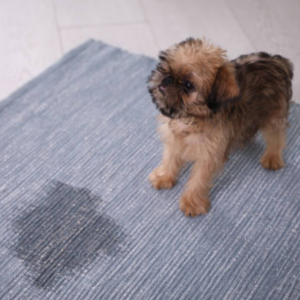
First, keep foot traffic off the rug. Every step pushes contamination deeper and spreads it outward. Next, identify where the odor is strongest. Pet odor often has a “center point” even when the smell seems like it’s everywhere. If the rug is small enough, gently lift a corner and smell the underside. Also smell the floor underneath. A rug can smell normal on top but hold odor in the backing.
What’s safe: Mark the suspected zone with a small piece of painter’s tape nearby.
What’s risky: Spraying the entire rug with deodorizer “just in case,” because it adds residue and can spread odor into clean areas.
If the accident is recent, blot immediately with clean white towels or paper towels. Press down firmly, then lift, rotate to a clean section, and repeat. Blotting pulls moisture up. Scrubbing grinds it down and can fuzz fibers.
What’s safe: Blot from the outside edge toward the center to avoid spreading.
What’s risky: Rubbing hard with a brush, especially on looped or natural-fiber rugs.
This step protects fibers. Wool and other natural fibers react differently than synthetic rugs. Some dyes can bleed. Some rug backings dislike moisture. If you’re unsure, treat it like a delicate rug until proven otherwise. Patch test any solution in a hidden corner first.
A helpful reminder from the IICRC’s consumer guidance on animal stains and odors is to use mild steps first and to be cautious with stronger products, especially on wool or other natural fibers.
What’s safe: Patch test, wait 10 minutes, then blot with a white towel to check dye transfer.
What’s risky: Using hydrogen peroxide or high-pH cleaners on unknown fibers without testing.
Lightly dampen a clean towel with cool water and blot the affected area. This helps remove surface residue without setting protein-based contamination. Keep the rug only lightly damp. You’re lifting, not soaking.
What’s safe: Small amounts of moisture and repeated blotting.
What’s risky: Pouring water directly onto the rug, which can push urine into the backing and create a larger odor zone.
For pet odor, an enzyme cleaner is usually the best DIY option because it targets organic odor sources instead of masking them. Follow the label directions exactly. Many people apply too little product, which means it never reaches the contamination. Others apply too much and soak the rug, which can create new issues. The goal is controlled saturation in the odor zone, then proper dwell time, then removal.
After the dwell time, blot again with clean towels. Then lightly rinse with a damp towel to help remove leftover product, and blot dry. Residue can attract dirt and make the rug feel crunchy later.
If you want us to look at the rug and confirm the safest plan, you can schedule an appointment online anytime.
What’s safe: Following dwell time, blotting thoroughly, and drying fast.
What’s risky: Mixing enzyme products with vinegar or bleach, because it can reduce effectiveness and damage fibers.
Baking soda can help absorb mild odors after the source is treated, especially when the odor is more “roomy” than “spotty.” Sprinkle a light layer, let it sit for a few hours, then vacuum slowly and thoroughly. Use this step after extraction and blotting, not before.
What’s safe: Light dusting and complete vacuum removal.
What’s risky: Dumping a thick layer and leaving it overnight in humid conditions, because it can clump, sit in the pile, and make the rug feel gritty.
Odor often returns because the rug stayed damp underneath. If it’s safe to do so, lift the rug edge and increase airflow underneath with a fan. If the floor allows, place the rug edge on small blocks to create airflow. Drying fast matters because moisture can trap odor compounds and create musty smells.
What’s safe: Fans, airflow, and drying the underside.
What’s risky: Leaving the rug flat on the floor while damp, especially on a pad that holds moisture.
A rug pad can hold most of the odor. If you treat the rug but the pad remains contaminated, the smell comes back. If the pad smells, replace it. Also check the floor underneath for odor. Hard surfaces can be cleaned. Subfloors may need more attention if saturation was heavy.
What’s safe: Replacing a smelly pad and wiping hard floors with appropriate cleaners.
What’s risky: Reusing a contaminated pad and expecting area rug cleaning results to last.
Ammonia-based cleaners and heavy fragrances can create problems. Some pets react to lingering smells and may re-mark. Many strong chemicals can also damage fibers or dyes. A cleaner finish with less residue helps reduce repeat problems.
What’s safe: Mild solutions and residue control.
What’s risky: Using harsh cleaners repeatedly in the same spot.
Call us when the odor returns after two careful attempts, when the rug is wool, silk, or a valuable piece, or when the contamination likely soaked into the pad or floor. Professional area rug cleaning helps when the odor source sits deeper than the surface fibers. A professional plan can also protect fibers, avoid over-wetting, and reduce the risk of color loss.
Area rug cleaning is about more than appearance. Rugs sit in the most lived-in parts of your home. Living rooms, entryways, bedrooms, play spaces, and home offices all get steady traffic. Rugs also act like filters. They trap fine dust, grit, and pet-related buildup day after day. Over time, even a nice rug can start to make a room feel stale. Professional area rug cleaning helps remove the hidden layer that vacuuming can’t fully pull out, which supports a fresher indoor feel without making medical claims. Many Antioch, Tennessee families notice the room simply feels cleaner after a rug odor issue is resolved properly.
Pet odor creates a different kind of discomfort. It’s not just a smell. It changes how you use the space. You might avoid a corner of the room. You might hesitate to invite guests over. You might keep windows open even when it’s hot or cold. Removing the odor source helps the home feel comfortable again. That’s a big reason area rug cleaning matters.
A lot of DIY odor control depends on fragrance. A spray makes the room smell “better” for a short time, then the pet odor returns. Professional area rug cleaning focuses on odor elimination through removal. The difference is simple. Odor gets better when the material causing the smell is actually removed from fibers, backing, and the pad. When we treat odors, we pay attention to the source zone, not only the spot you can see.
This also helps prevent the “odor pops back up” problem. Pet odor often returns because the rug stayed damp underneath or because the pad still holds contamination. A structured plan that includes checking the pad and drying fast supports longer-lasting results.
Rugs can be expensive. Some rugs are sentimental. Some are the anchor piece in a room. Either way, replacing a rug is not a small decision. Area rug cleaning helps protect your rug investment by removing abrasive grit that wears fibers down. Dirt acts like sandpaper with every step. It breaks fibers over time and creates traffic patterns that make rugs look old sooner than they should.
Professional cleaning also helps protect texture. Many DIY attempts involve aggressive scrubbing. Scrubbing can fuzz fibers, distort the pile, and create uneven wear. A careful approach removes soil while keeping the rug’s structure stable. This matters even more with natural fibers like wool and cotton, where the wrong chemistry and too much moisture can cause long-term damage.
A rug that smells off often looks off too. Odor sources tend to trap soil. You’ll see darker zones where a pet lay often, where an accident happened, or where DIY products left residue behind. Area rug cleaning can restore a brighter look in those areas by removing the buildup that makes fibers look dull.
Comfort improves too. Clean rugs often feel softer because residue and grit are removed. A rug that feels stiff or crunchy usually has product buildup. A proper cleaning plan helps return a more natural feel to the fibers, which makes the room more comfortable to walk on and sit in, especially for kids who play close to the floor.
Pets often return to the same spot if an odor remains. Even if humans can’t smell it, pets may still detect it. That’s why odor elimination matters. A good area rug cleaning plan helps reduce the chance of repeat marking by removing the odor source and residue that may encourage pets to return.
Repeat problems also come from rug pads. A contaminated pad can bring odor back quickly, even after the rug surface looks clean. Replacing a pad that holds odor is often one of the simplest “long-lasting results” moves you can make.
Life in Antioch, Tennessee moves fast. People want solutions that work without shutting down the home for a full day. A quick-drying mindset makes a big difference with rugs. Drying fast reduces musty smells and helps keep odors from reactivating. It also keeps your routine moving. Many families clean rugs before visitors come over, before weekends, or after a pet issue that needs immediate attention.
Area rug cleaning also pairs well with other services when they fit the situation. Carpet cleaning can help if odors spread to the surrounding floor. Upholstery cleaning can help if pets use the couch in the same room. A whole-room plan often delivers the best “fresh home” feeling because all soft surfaces affect the same indoor comfort.
Some homeowners compare DIY cost to professional cost. DIY looks cheaper at first, but repeat attempts can add up quickly. Enzyme products, deodorizing powders, and repeated cleaning can cost more than expected. In addition, fiber damage or dye issues can turn a small problem into a big one. Professional area rug cleaning can be the better value when the odor returns, when the rug is valuable, or when you want confidence that the plan won’t damage fibers.
If you’ve tried two careful rounds and the smell returns, it’s a good time to schedule an assessment. We’ll look at the rug, the pad, and the floor underneath, then recommend the safest next step for your home here in Antioch, Tennessee.
Area rug cleaning gets easier when you act early, especially with pet odor. The longer urine sits, the deeper it can soak. As a result, the odor becomes harder to remove without a deeper plan. Keep a simple “blot kit” in a closet near the living room or laundry area. Include white towels, a spray bottle of plain water, a small fan, and an enzyme cleaner you trust.
When an accident happens, blot first and blot again. Use firm pressure, then lift. Rotate to a clean part of the towel each time. Meanwhile, avoid rubbing or scrubbing. Scrubbing twists fibers and spreads contamination. If the rug is delicate, treat it like a specialty item until you confirm the fiber type. Patch test every product in a hidden corner. This habit protects dyes and keeps you from creating a bigger problem.
Suggested frequency: Vacuum high-use rugs two to three times a week, because grit wears fibers down and traps odor. Also, rotate rugs every few months so traffic patterns don’t wear one side faster than the other.
DIY precaution: Avoid soaking the rug with water to “flush” it. Over-wetting pushes odor deeper and can trap moisture in the pad.
Enzyme cleaners can work well for pet odor, however only when you follow the label directions. Most people either apply too little product or wipe it up too soon. Enzymes need time to work. They break down odor sources in organic material. If you blot immediately after spraying, the product never has time to do its job.
Apply the enzyme product to the odor zone. Let it dwell for the recommended time. Then blot thoroughly. After that, do a light rinse with a damp towel and blot again. This rinse step helps reduce residue, which matters because residue can attract dirt and make the rug look dingy later.
Product mistakes to avoid:
Using vinegar right after enzyme products, because it can reduce enzyme effectiveness
Mixing multiple odor products, because chemical clashes can set odors or discolor fibers
Using strong fragrance sprays as a “final step,” because they can cover the smell temporarily and confuse the real result
Gentle scheduling reminder: If the odor returns after you’ve done a correct enzyme treatment twice, stop repeating DIY. Schedule an assessment and let us confirm whether the pad or backing needs deeper attention.
Here in Antioch, Tennessee, we see this constantly. The rug looks clean, but the pad underneath smells. This happens because the pad absorbs moisture like a sponge. Then it releases odor back into the room as humidity changes. If you clean the rug surface but keep a contaminated pad, the odor returns.
Lift the rug edge and sniff the pad. If the pad smells, replacement is usually the best move. Many homeowners try to wash the pad and put it back. Pads often hold odor deep inside and don’t dry evenly, which can create a musty smell later. Replacing the pad can be the simplest way to support long-lasting results after area rug cleaning.
Also check the floor under the pad. Hard floors can be cleaned. If the floor smells, wipe it carefully and allow it to dry fully before placing the rug back down.
DIY precaution: Don’t trap a damp rug on top of a pad. Dry both sides with airflow.
Drying is part of odor removal. Moisture can trap odor sources and keep them active. It can also create musty smells that mix with pet odor. After any spot treatment, speed up drying. Place a fan so it blows across the rug surface. If possible, lift a corner to get airflow underneath too. Even a small gap helps.
Avoid leaving the rug damp overnight. Odor problems often get worse when moisture sits. In addition, damp rugs can wick contamination back up, creating a faint ring or a recurring smell.
A helpful resource for practical, common-sense indoor cleaning and product use is the EPA’s guidance on safer cleaning practices and indoor environments. We like using it as a reminder to focus on ventilation and careful product use instead of harsh chemical overuse.
DIY precaution: Don’t use heat guns or very hot air on delicate rugs. Controlled airflow is safer.
Preventing odor is easier than removing it. Pets leave oils and dander on rugs even without accidents. Over time, that buildup can create a “pet smell” in the room. Regular vacuuming helps, but it won’t remove everything. A smart schedule keeps rugs fresher and makes spot issues easier to solve.
A simple routine:
Vacuum high-use rugs two to three times a week
Shake smaller rugs outdoors when possible
Rotate rugs every few months
Use a light baking soda treatment only as a finishing step, then vacuum thoroughly
Schedule professional area rug cleaning at least once a year if pets use the room daily
If pet odor keeps returning in the same area, treat it as a deeper issue. Replacing the pad and getting a professional assessment often saves time and protects the rug from repeated DIY wear.
We approach area rug cleaning here in Antioch, Tennessee the same way we approach every service: focus on the home, protect the surfaces, and keep the results practical for daily life. Our company history matters because it shows how we built our process. We’ve spent over 30 years refining methods that prioritize family-safe cleaning and customer-focused service. We don’t show up with a one-size plan. We inspect first, then we tailor the process to your rug type, the odor source, and the condition of the rug.
Our technicians are professional and careful. We treat rugs like the investment they are, whether it’s a simple living room rug or a delicate piece with natural fibers. We also keep a quick-drying mindset, because rugs that stay damp can hold odor and create new problems. Controlled moisture and strong removal steps help us avoid the “clean today, smell tomorrow” cycle. We focus on removal of the source, not heavy fragrance cover-ups, and we pay attention to the rug pad and the surface underneath because those areas often cause odors to return.
Families choose us because they want service that feels safe and straightforward. We use methods designed for clean living and comfort, and we communicate clearly about what we’re doing and why. We also stand behind our work with a satisfaction guarantee mindset. If the rug has limitations because of age, dye instability, or deep saturation that reached under flooring, we’ll explain it honestly and recommend the safest next step. Our goal is simple: make the rug and the room feel fresh again without damaging fibers, and help you keep that result longer with practical care advice.
If you’d like us to check your rug and confirm the safest plan, you can schedule online anytime.
Area rug cleaning in Antioch, Tennessee works best when you treat the source first, then remove it, then dry fast. We start by identifying the odor zone and checking the rug backing, rug pad, and floor underneath. Many odors return because the pad holds moisture and contamination. For fresh spots, blotting with clean white towels and using a correctly applied enzyme cleaner can help. After the dwell time, thorough blotting and a light rinse reduce residue that can attract dirt. Drying matters just as much as cleaning. Fans and airflow help prevent wicking and musty smells that mix with pet odor. If the odor returns after two careful attempts, deeper contamination is likely. At that point, professional area rug cleaning can be the safest option because it can address the backing and pad without damaging fibers.
Pet odor often returns because the source sits below the surface. A rug can smell fine on top, yet the backing or pad underneath still holds contamination. Humidity in Antioch, Tennessee can make this worse because moisture can reactivate odor compounds and release them into the room again. Another common reason is residue. Many DIY products leave a film that traps odor and attracts new soil, which makes the rug feel dirty again quickly. Over-wetting is also a big issue. When too much water is used, moisture can push odor deeper into the rug foundation and pad. As the rug dries, wicking can pull hidden contamination back toward the surface, creating a faint ring and a returning smell. A structured plan that includes pad checks, controlled moisture, and fast drying usually prevents repeat odor cycles.
Vinegar can help with some mild odors, however it’s not always the safest choice for every rug. Natural fibers like wool or rugs with sensitive dyes can react poorly to acidic solutions, and repeated vinegar use can weaken fibers over time. Vinegar also doesn’t “remove” contamination the way extraction does. It can change the smell temporarily while leaving the source behind. Another issue is mixing products. If you used an enzyme cleaner first, vinegar can reduce enzyme effectiveness if applied too soon. Here in Antioch, Tennessee, we usually recommend a safer sequence: blot, use a pet-specific enzyme product according to label directions, then blot and dry with airflow. If you want to try vinegar, patch test first and use it lightly. If the odor keeps returning, a professional area rug cleaning assessment is the better next step.
The easiest test is smell. Lift the rug edge and sniff the pad. If the pad smells like urine or a sour musty odor, replacement is often the best move. Many rug pads absorb moisture like a sponge and hold odor deep inside, even after surface cleaning. In Antioch, Tennessee, we see a lot of “clean rug, still smells” cases caused by a contaminated pad. Also check the floor underneath. If the floor smells, clean it and let it dry fully before putting the rug back. Signs you should replace the pad include recurring odor in the same area, a damp feeling that lasts, or discoloration on the pad. Replacing a pad can be one of the simplest ways to get long-lasting results after area rug cleaning, especially when accidents have happened more than once.
Cat urine odors can be stubborn because the odor compounds are strong and can bind to fibers and backing. Professional area rug cleaning can help a lot, especially when the plan targets the full contamination zone and not only the surface. We start by inspecting the rug type and checking whether contamination reached the pad or floor. Many times, deeper steps are needed because cat urine can soak into backing and linger even after DIY treatment. A careful professional process can remove more of the source and reduce the chance of odor returning, especially when we address the pad and dry the rug properly. Results depend on how long the odor has been present, how many times accidents occurred, and whether the rug’s dyes and fibers limit certain methods. We’ll explain what’s realistic during an assessment here in Antioch, Tennessee.
Most homes with pets benefit from professional area rug cleaning about once a year for the busiest rugs. If pets spend a lot of time on the rug daily, or if the rug sits near an entryway, you may prefer every 6 to 9 months. Regular cleaning helps remove pet oils, dander, and soil that build up and create that “pet smell” over time. It also helps prevent the rug from becoming a long-term odor source. In Antioch, Tennessee, seasonal changes and humidity can make odors feel stronger at certain times of year, so many families schedule cleaning before holiday hosting or after heavy summer use. If you’ve had a recent accident, don’t wait for the annual schedule. Treat it promptly, check the pad, and schedule an assessment if the odor returns.
Avoid harsh chemicals, heavy fragrance sprays, and aggressive scrubbing. Strong chemical products can discolor dyes and weaken fibers, especially on wool or natural-fiber rugs. Heavy fragrance sprays often mask odors without removing the source, which can make the problem return later. Avoid over-wetting the rug, because too much moisture can push contamination deeper into the backing and pad and create wicking rings. Also avoid mixing products, such as combining bleach with anything, or applying vinegar right after enzyme cleaners. Product clashes can reduce effectiveness and increase fiber damage risk. Finally, avoid leaving the rug damp overnight. Fast drying with airflow is a major part of successful area rug cleaning in Antioch, Tennessee because it reduces odor reactivation and musty smell buildup.
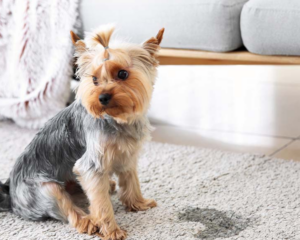
Pet odor in a rug can feel frustrating because it doesn’t always match what you see. The rug may look clean, yet the smell returns, especially when humidity rises or when the room warms up. The best approach is a controlled plan: identify the odor zone, treat the source, remove residue, and dry fast. Checking the rug pad is often the missing step, because a contaminated pad can bring odor back quickly. DIY enzyme cleaners can help when the issue is fresh and you follow the directions carefully. However, repeated DIY attempts can over-wet the rug, damage fibers, and trap residue that attracts more dirt.
If the odor keeps coming back, don’t keep throwing random products at it. A professional assessment saves time and protects your rug. We’ll inspect the rug, the backing, the pad, and the floor underneath, then recommend the safest plan for long-lasting results. Safe-Dry Carpet Cleaning of Antioch, Tennessee can help you get the room feeling fresh again with a quick-drying mindset and a family-safe approach that respects your rug’s fibers.
Schedule your appointment now if you’re ready to stop guessing and start enjoying your space again. We’ll help you protect your rug, improve indoor freshness, and get back to a home that feels comfortable for everyone.