Same-Day Service Available!
You finally made time to clean your couch. Maybe you used a store-bought spray, a rented machine, or a DIY solution you found online. At first, everything seemed better. The surface looked refreshed, and the room felt cleaner. Then, after a few hours or the next day, that smell came back.
It can be frustrating. You did the work, yet the result did not last.
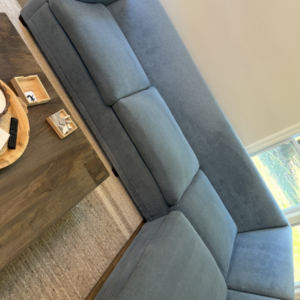
This is one of the most common issues homeowners face when dealing with upholstery cleaning. A couch can hold onto more than what you see, and when odors return after cleaning, it usually means something deeper was not fully removed.
In homes across Antioch, Tennessee, everyday life adds to the challenge. Pets, spills, humidity, and daily use all contribute to what gets trapped inside your furniture. Even if the fabric looks clean, the inside layers may still hold odor.
The good news is that this problem has clear causes and practical solutions. Once you understand what is happening, it becomes much easier to fix and prevent.
A couch is not just fabric stretched over a frame. It has layers. Beneath the surface, there is padding, cushioning, and sometimes even a backing material that can absorb moisture and debris.
When something spills or seeps into the fabric, it does not always stay on top. Liquids can move deeper into the cushion, where they become harder to reach with standard cleaning.
This is where odors often come from. Even if the surface looks clean, the source of the smell may still be inside.
That is why upholstery cleaning needs to go beyond surface-level treatment.
It is easy to assume the cleaning process caused the smell. In most cases, it simply revealed what was already there.
Moisture plays a big role in this. When you clean upholstery, even lightly, you introduce some level of moisture. That moisture can reactivate odor-causing particles that were previously dormant.
Once reactivated, those particles release stronger smells, making it seem like the cleaning made things worse.
In reality, the issue was already present.
Many store-bought cleaners are designed to leave behind a fresh scent. While that may smell good at first, it does not always solve the problem.
Some products leave a residue in the fabric. Over time, that residue can:
As new dirt builds up, odors can develop again. This is one reason why a couch may smell fine right after cleaning but worse a day or two later.
A residue-free approach is often more effective for long-term results.
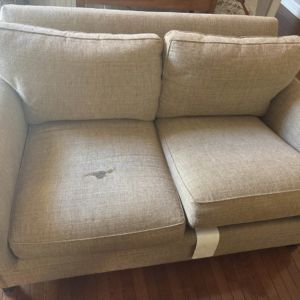
If you have pets, the chances of lingering odor increase.
Pet-related issues are not always obvious. Even if there are no visible stains, pet hair, dander, and small accidents can settle into the fabric and padding.
Pet urine removal and pet odor removal require more than surface cleaning. Moisture can reactivate these areas, making the smell stronger after cleaning.
This is especially true for dog urine removal and cat urine removal, where odor compounds can linger if not fully treated.
Drying is one of the most overlooked parts of upholstery cleaning.
If moisture remains trapped inside the cushion, it creates an environment where odor can develop. This can lead to a damp or musty smell that was not noticeable before cleaning.
In places like Antioch, Tennessee, where humidity can vary, drying times can be affected. Without proper airflow, moisture may linger longer than expected.
Ensuring complete drying is just as important as the cleaning itself.
Couches collect more than dirt. Over time, they absorb organic material such as:
When moisture is introduced, these materials begin to break down. This process can produce odors that become noticeable after cleaning.
This is why deep cleaning services are often needed to remove the source, not just the surface.
DIY methods can help with light cleaning, but they usually do not reach deep into the fabric.
Common limitations include:
While these methods may improve appearance, they often do not fully address odor.
Professional upholstery cleaning uses techniques designed to remove contaminants more effectively.
If you are dealing with lingering odor, there are steps you can take to improve the situation.
Open windows, use fans, or adjust your HVAC system to help the couch dry completely.
Focus on areas where the smell is strongest. This can help narrow down the cause.
Applying more cleaner can make the problem worse if residue is already present.
A proper pet odor eliminator or stain removal service can help break down odor compounds.
Give the couch enough time to dry completely before using it again.
If the odor remains, professional upholstery cleaning may be the most effective solution.
Some situations go beyond what home cleaning can handle.
You may want to call professional carpet cleaners or upholstery specialists if:
Professional services are designed to handle deeper issues that require more advanced cleaning.
Professional upholstery cleaning offers a more complete approach.

Benefits include:
Many companies also offer additional services such as carpet cleaning services, area rug cleaning, and carpet deodorizing to help maintain the entire home.
Furniture and carpet often share the same environment. Dirt and debris move between surfaces, especially in busy households.
This is why combining services like carpet cleaning and upholstery cleaning can provide better results overall.
If you are already searching for carpet cleaning near you or comparing carpet cleaning prices, it may be worth considering both services together.
Once your couch is clean, keeping it that way becomes easier with a few habits.
Consistency helps prevent buildup and keeps your furniture fresh.
This usually happens when moisture reactivates odor-causing particles trapped inside the fabric. It can also be due to residue or incomplete drying, which allows smells to become more noticeable after cleaning.
You can reduce some odors with proper cleaning and drying, but deeper issues often require professional upholstery cleaning to fully remove the source of the smell.
Drying times vary, but most couches should dry within several hours. Poor airflow or excess moisture can extend drying time and increase the chance of odor.
Some products leave residue that traps dirt and bacteria, which can lead to odor over time. Using the right products and methods is important.
Pet odor removal requires breaking down the odor at its source. Surface cleaning alone is usually not enough for long-term results.
Yes, especially when using eco friendly carpet cleaning methods that avoid harsh chemicals and leave no residue.
Yes, many odors originate from the padding or inner layers where moisture and debris collect.
Most homes benefit from professional cleaning every 12 to 18 months, or more often if there are pets or heavy use.
Yes, higher humidity can make odors stronger by adding moisture to the fabric and reactivating odor compounds.
If odors persist after cleaning or continue to return, it is time to consider professional upholstery cleaning.
A couch should feel comfortable, clean, and welcoming. When odors linger, it can affect the entire room and make your home feel less inviting.
If cleaning has not solved the problem, it does not mean your furniture is beyond help. It usually means the right method has not been used yet.
Safe-Dry® offers upholstery cleaning services designed to remove odor at the source without leaving residue behind. With eco friendly carpet cleaning methods and deep cleaning services, your furniture can be refreshed in a way that lasts.
For homeowners in Antioch, Tennessee, this means you can enjoy a cleaner, more comfortable home without the frustration of recurring odors.
Schedule your service today, request a free carpet cleaning quote, or explore current carpet cleaning deals. A fresher home starts with the right care.